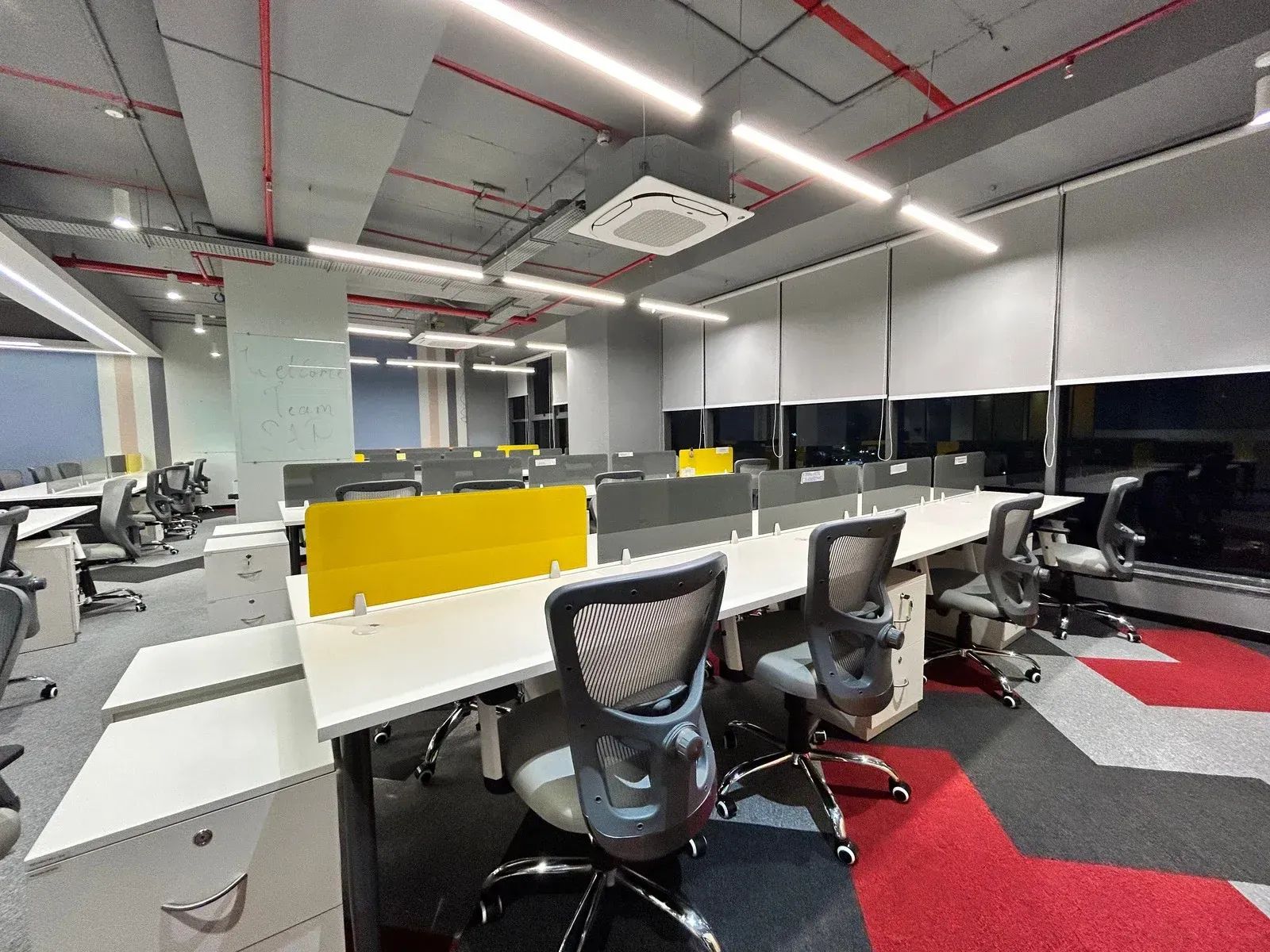
How green cleaning improves indoor air quality and health

March 27, 2026

Share this article

Indoor air quality (IAQ) is a critical aspect of overall health and well-being. With most individuals spending up to 90% of their time indoors—whether at home, school, or the workplace—the quality of the air we breathe directly impacts respiratory health, productivity, and comfort. Poor indoor air quality can lead to a range of issues, including allergies, asthma, and long-term respiratory problems. Traditional cleaning products, while effective at removing visible dirt and germs, often release volatile organic compounds (VOCs) and other harmful chemicals into the air. These substances can contribute to poor IAQ, triggering irritation, headaches, and chronic health concerns. In this context, green cleaning emerges as a safer, healthier alternative.


Green cleaning refers to the use of environmentally friendly cleaning methods and products that minimize chemical exposure while maintaining high hygiene standards. By incorporating biodegradable ingredients, non-toxic substances, and sustainable practices, green cleaning not only reduces environmental impact but also actively enhances indoor air quality. As awareness of health and environmental concerns grows, businesses and homeowners alike are increasingly prioritizing green cleaning solutions to foster safer, healthier indoor spaces.

The Science Behind Green Cleaning and Indoor Air Quality

Understanding Indoor Pollutants

Indoor air can be contaminated by various pollutants, including dust, mold, allergens, and chemical residues. Conventional cleaning products often exacerbate these issues by emitting VOCs such as formaldehyde, benzene, and ammonia. These compounds can linger in enclosed spaces, aggravating respiratory conditions and negatively impacting overall health

How Green Cleaning Minimizes Chemical Exposure

Green cleaning products are formulated without harsh chemicals, instead using plant-based surfactants, essential oils, and natural disinfectants. By eliminating VOC-emitting agents, these products reduce the chemical load in indoor air, resulting in fewer irritants and improved air quality. For instance, using a green all-purpose cleaner instead of a traditional chemical spray significantly lowers airborne toxins.

Evidence from Research

Studies show that environments cleaned with eco-friendly products have measurable reductions in airborne pollutants. A report published in the Journal of Environmental Health indicated that buildings employing green cleaning programs exhibited lower concentrations of indoor VOCs, directly contributing to healthier indoor air. These findings underscore the connection between cleaning practices and long-term air quality.

Health Benefits of Green Cleaning

  • Respiratory Health Improvements:- Exposure to VOCs and chemical irritants is linked to asthma, chronic bronchitis, and other respiratory ailments. By switching to green cleaning products, households and workplaces can reduce triggers for these conditions. For example, schools adopting green cleaning protocols have reported fewer asthma attacks among students, demonstrating tangible health benefits.


  • Reduction in Allergies and Skin Irritation:- Many conventional cleaning solutions contain synthetic fragrances and harsh detergents that irritate the skin and trigger allergic reactions. Green cleaning products, formulated with natural and hypoallergenic ingredients, minimize these risks. Homeowners often notice fewer instances of skin rashes and irritation when switching to eco-friendly alternatives.


  •    Mental and Cognitive Well-being:- Research suggests that indoor air quality can affect cognitive performance and mood. High levels of VOCs are associated with headaches, fatigue, and difficulty concentrating. By reducing chemical pollutants through green cleaning, occupants experience a fresher, less toxic environment, which supports mental clarity and overall well-being.

Key Green Cleaning Practices for Healthier Spaces

Opt for Certified Green Products

Look for products labeled with recognized certifications such as EPA’s Safer Choice, Green Seal, or EcoLogo. These certifications ensure the products meet stringent environmental and health standards, including low VOC emissions and biodegradable ingredients.

Focus on Ventilation During Cleaning

Even when using eco-friendly products, adequate ventilation is essential. Opening windows, using exhaust fans, or employing portable air purifiers helps circulate fresh air and reduce the accumulation of any remaining airborne particles.

Microfiber and Steam Cleaning

Microfiber cloths capture dust and allergens more effectively than conventional cloths, reducing airborne particles. Similarly, steam cleaning offers a chemical-free method for disinfecting surfaces, killing bacteria and viruses without introducing harmful compounds into the air.

Reduce Overuse of Cleaning Chemicals

Excessive use of cleaning products, even green ones, can contribute to unnecessary indoor pollutants. Using the appropriate amount for the task ensures effectiveness while maintaining optimal air quality. Training staff or household members in proper application techniques further enhances results.

Green Cleaning in Commercial Settings

  • Offices and Workplaces:-Large commercial buildings often struggle with poor indoor air quality due to dense occupancy and extensive use of conventional cleaning agents. Implementing green cleaning protocols can improve air quality, reduce employee sick days, and increase productivity. Simple steps include switching to low-VOC disinfectants, using HEPA-filter vacuums, and scheduling routine deep cleans with eco-friendly methods.


  • Schools and Childcare Facilities:-Children are particularly sensitive to airborne pollutants, making green cleaning in schools and daycare centers critical. By using non-toxic cleaners and reducing chemical residues, administrators create a safer environment that minimizes allergy and asthma triggers while supporting healthy development.


  • Healthcare Environments:-Hospitals and clinics must balance rigorous sanitation with patient safety. Green cleaning solutions, when used in combination with traditional infection control measures, can reduce chemical exposure for patients, staff, and visitors. This approach also contributes to a healthier working environment for healthcare professionals.

Challenges and Considerations in Green Cleaning

Cost and Accessibility

One common misconception is that green cleaning is prohibitively expensive. While some eco-friendly products may have a higher upfront cost, they often offer long-term savings by reducing health-related absences, minimizing equipment damage, and extending the lifespan of surfaces.

Training and Implementation

Proper training is essential to ensure green cleaning methods are effective. Staff must understand the correct usage of products, appropriate dilution ratios, and the importance of integrating ventilation and other supportive practices.

Product Efficacy Concerns

Some skeptics question whether green cleaning products can match the disinfecting power of conventional chemicals. However, modern formulations are highly effective against common pathogens when used correctly, providing both safety and sanitation without compromising health.

Best Practices for a Health-Focused Green Cleaning Program

Create a Green Cleaning Plan
Develop a structured program that outlines which areas require daily, weekly, or monthly attention, the products to be used, and the cleaning methods for each task. Prioritizing high-traffic and high-touch areas helps prevent airborne contaminants from accumulating.


Monitor Indoor Air Quality

Regular air quality testing can help track the effectiveness of green cleaning initiatives. Sensors that measure VOCs, particulate matter, and humidity levels provide actionable data to optimize cleaning schedules and product usage.


 Engage Occupants in Awareness Programs

Educating building occupants on the benefits of green cleaning encourages participation and compliance. Simple strategies, such as labeling eco-friendly products and communicating the health benefits, reinforce the importance of maintaining a clean, healthy indoor environment.


Leverage Technology and Innovation

Advancements like robotic cleaners, automated dosing systems, and eco-certified disinfectants enhance efficiency and consistency. These tools minimize human error, ensure accurate product application, and maintain indoor air quality at optimal levels.

Expert Insights on Green Cleaning and Health

Recommendations from Environmental Health Professionals

Experts advocate for the integration of green cleaning products, proper ventilation, and routine air quality monitoring. Dr. Emily Sanders, an environmental health specialist, notes, “Even minor reductions in VOC exposure can significantly improve indoor air quality, particularly in enclosed spaces like offices or schools.”

Occupational Health Considerations

For janitorial staff and cleaning professionals, using green cleaning products reduces long-term exposure to harmful chemicals. Proper personal protective equipment (PPE) combined with eco-friendly solutions ensures worker safety while maintaining hygienic standards.

Future Trends

The green cleaning industry is evolving rapidly, with innovations in biodegradable disinfectants, smart cleaning systems, and automated ventilation. As awareness of indoor air quality and health risks increases, businesses and households will likely continue to adopt these advanced, eco-conscious solutions

Ensuring Clean, Healthy Spaces with Expert Guidance

Certified Green Cleaning Programs
Businesses and homeowners benefit from consulting certified green cleaning professionals. These experts assess unique space requirements, recommend effective eco-friendly products, and implement systems that maximize both hygiene and air quality.


Sustainable Maintenance Practices

Regular maintenance of HVAC systems, filters, and cleaning equipment complements green cleaning initiatives. Clean air filters, properly maintained ductwork, and correctly used cleaning tools ensure that indoor spaces remain free of pollutants.


Integration with Overall Wellness Initiatives

Green cleaning should be part of a broader wellness strategy that includes proper ventilation, indoor plants, humidity control, and air purifiers. Together, these measures create a holistic approach to healthier indoor environments.


Expert Eco-Cleaning Services Promoting Cleaner, Safer Environments

Maintaining optimal indoor air quality requires more than routine cleaning—it demands expertise, proven practices, and a commitment to health and sustainability. Platinum Cleaning Services LLC, a trusted janitorial service provider based in Burien, Washington, brings over 25 years of industry experience to the forefront of green cleaning solutions. By integrating eco-friendly products, advanced cleaning techniques, and rigorous air quality protocols, the company ensures that every commercial and residential space not only looks clean but also promotes healthier living and working environments.


With a client-focused approach, we tailor green cleaning programs to the unique needs of each facility. Their team emphasizes sustainable practices without compromising hygiene standards, using certified green products and state-of-the-art equipment to minimize chemical exposure and airborne contaminants. From office complexes to healthcare facilities, schools, and residential properties, their professional staff implements comprehensive cleaning strategies designed to enhance indoor air quality, protect occupant health, and align with environmental responsibility. By choosing Platinum Cleaning Services LLC, clients gain a partner committed to excellence, safety, and long-term wellness, making green cleaning an achievable and beneficial priority for every indoor space.

Recent Posts

Yellow cleaning cart with buckets and caution sign in a bright hallway.
February 22, 2026
Sustainability has evolved from a niche concern into a core business priority across industries, and the janitorial sector is no exception. As organizations increasingly evaluate their environmental footprint, the demand for eco-friendly janitorial services has grown rapidly.
Person mopping the floor of an office hallway wearing a blue uniform and gloves; blue bucket nearby.
January 26, 2026
Maintaining a clean and organized workspace is no longer just about hygiene; it has become a critical factor in enhancing overall business performance. Commercial cleaning goes beyond surface-level tidiness—it directly impacts employee productivity, workplace safety, and the perception clients have of a company.
Cleaning cart with supplies and person cleaning desk in office.
December 29, 2025
Professional nightly janitorial services play a critical role in maintaining clean, safe, and efficient work environments.
Yellow
November 29, 2025
Maintaining a clean and hygienic workplace is more than just about appearances. A spotless office environment enhances productivity, fosters employee morale, and leaves a lasting impression on clients.