What Happens During Professional Nightly Janitorial Services?
Professional nightly janitorial services play a critical role in maintaining clean, safe, and efficient work environments. Businesses across industries—ranging from offices and retail stores to healthcare facilities—rely on these services to ensure that their premises are hygienic, organized, and welcoming for both employees and visitors. Nightly janitorial work goes beyond simple surface cleaning; it involves systematic, comprehensive processes designed to maintain a high standard of cleanliness while minimizing disruption to daily operations. Understanding what occurs during these nightly routines can provide facility managers and business owners with valuable insights into the level of care, planning, and expertise involved.
With the growing importance of sanitation and workplace safety, the relevance of professional nightly janitorial services has increased significantly. From removing germs and allergens to maintaining floors, restrooms, and communal areas, these services contribute directly to employee well-being, operational efficiency, and overall business image. Nightly janitorial work is also tailored to meet industry-specific requirements, incorporating specialized equipment, environmentally friendly cleaning agents, and advanced methods for optimal results. By examining the step-by-step processes of nightly janitorial operations, businesses can better appreciate the strategic and meticulous approach that underpins these essential services.
Comprehensive Cleaning of Office and Work Areas
Desk and Surface Sanitization
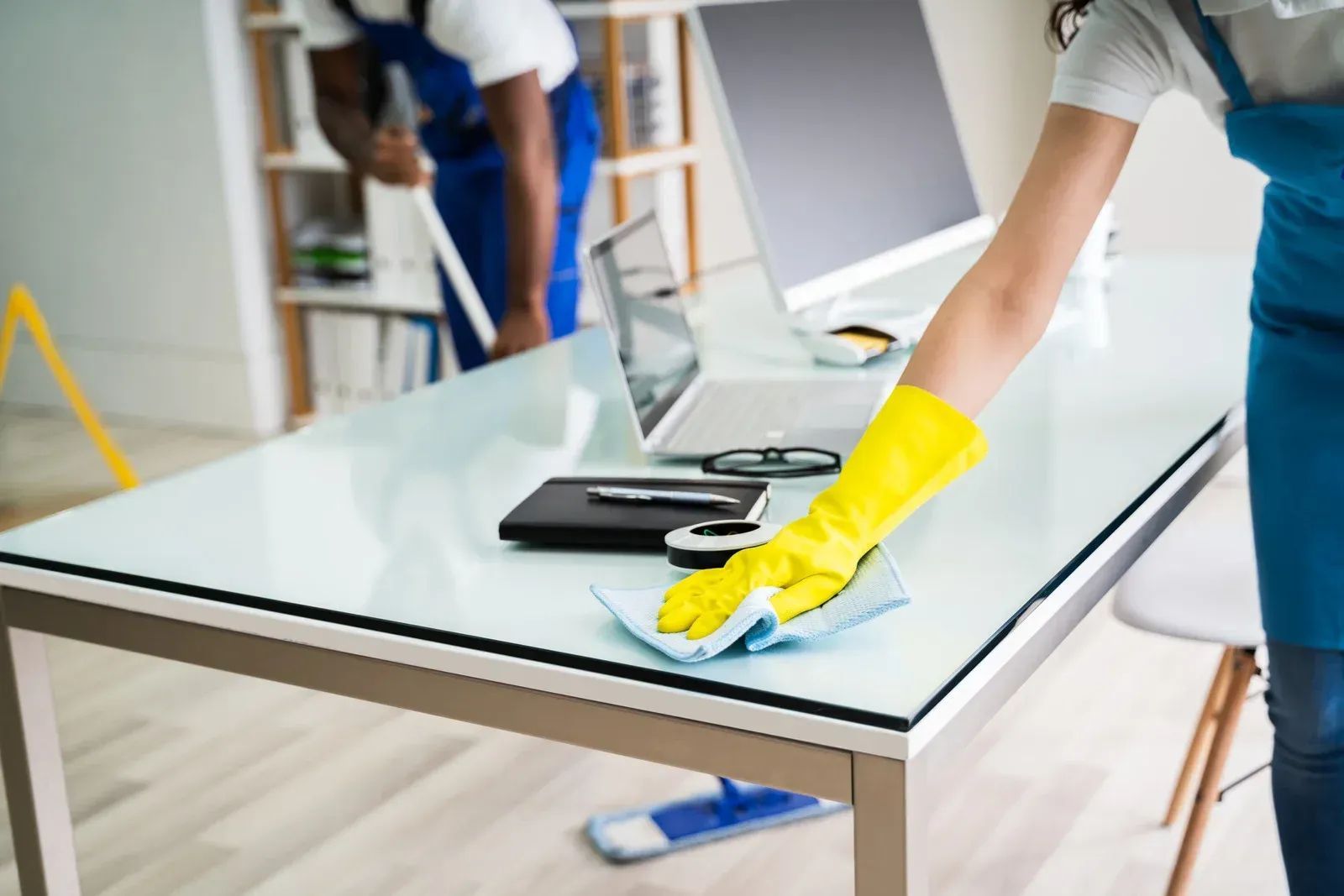
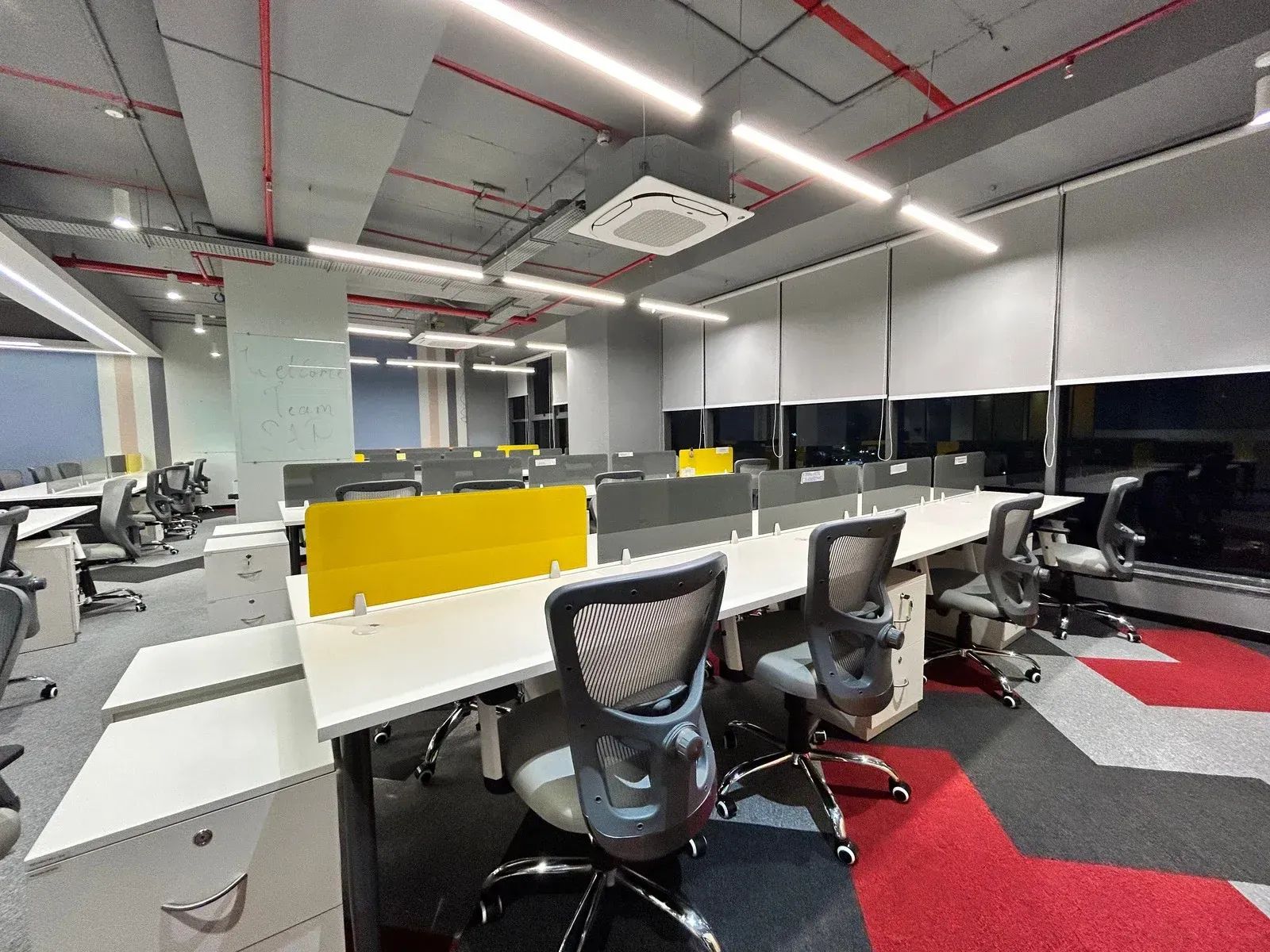
One of the primary components of nightly janitorial services is the thorough cleaning of desks, countertops, and other frequently touched surfaces. Professional janitorial teams use hospital-grade disinfectants to remove germs, bacteria, and viruses that accumulate during the day. Items like keyboards, phones, and desk accessories receive special attention to minimize the spread of contaminants. This ensures a healthier workspace and reduces the risk of illness among employees.
Dusting and Detail Cleaning
Dust accumulation is not only unsightly but can also contribute to allergies and respiratory issues. Nightly cleaning schedules include dusting of office furniture, equipment, and high-touch areas such as door handles and light switches. By targeting overlooked areas, janitorial teams enhance indoor air quality and prevent long-term wear on office furnishings. High dusting and air vent cleaning are often incorporated on a rotating basis to maintain an all-encompassing cleanliness standard.
Floor Care and Maintenance
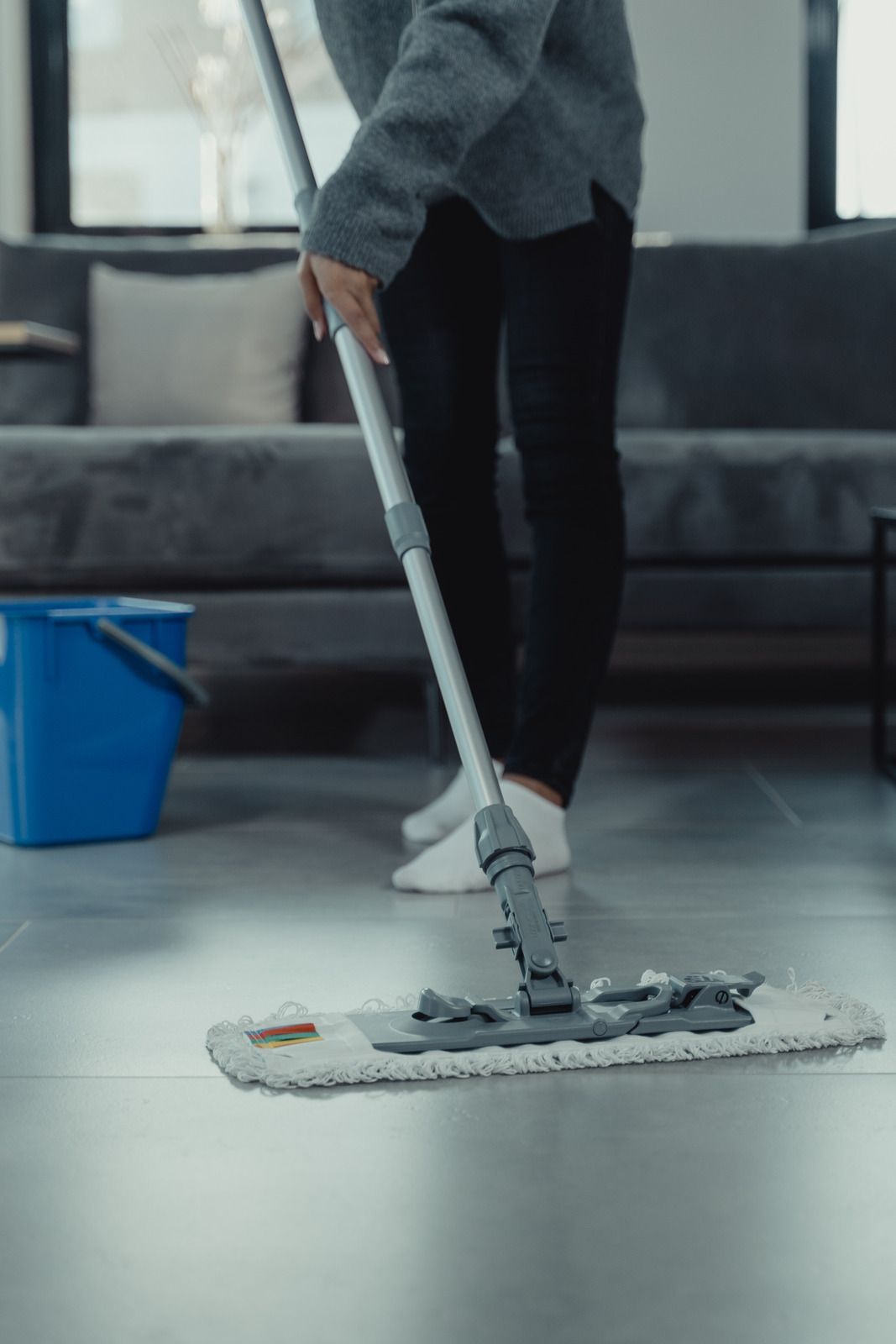
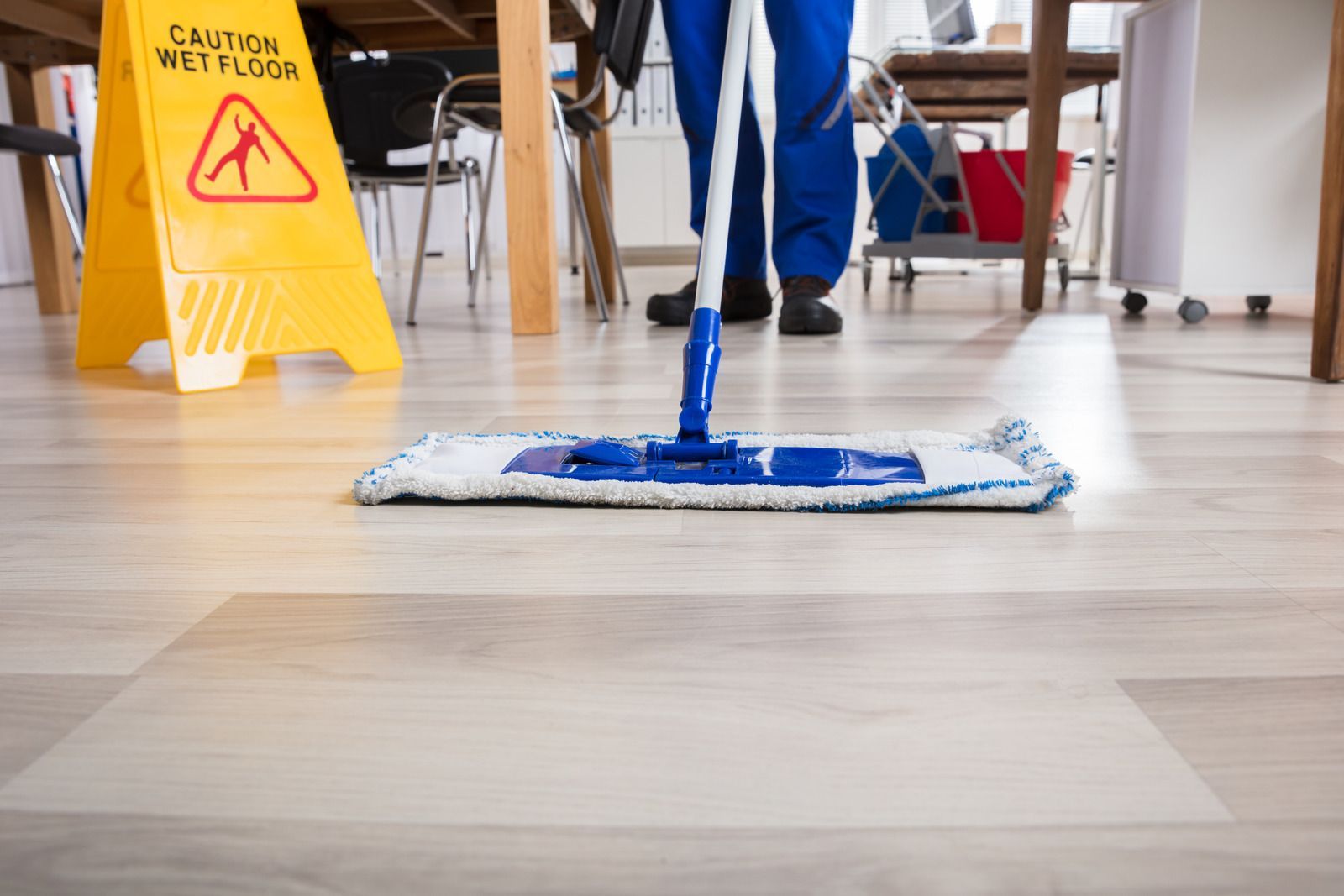
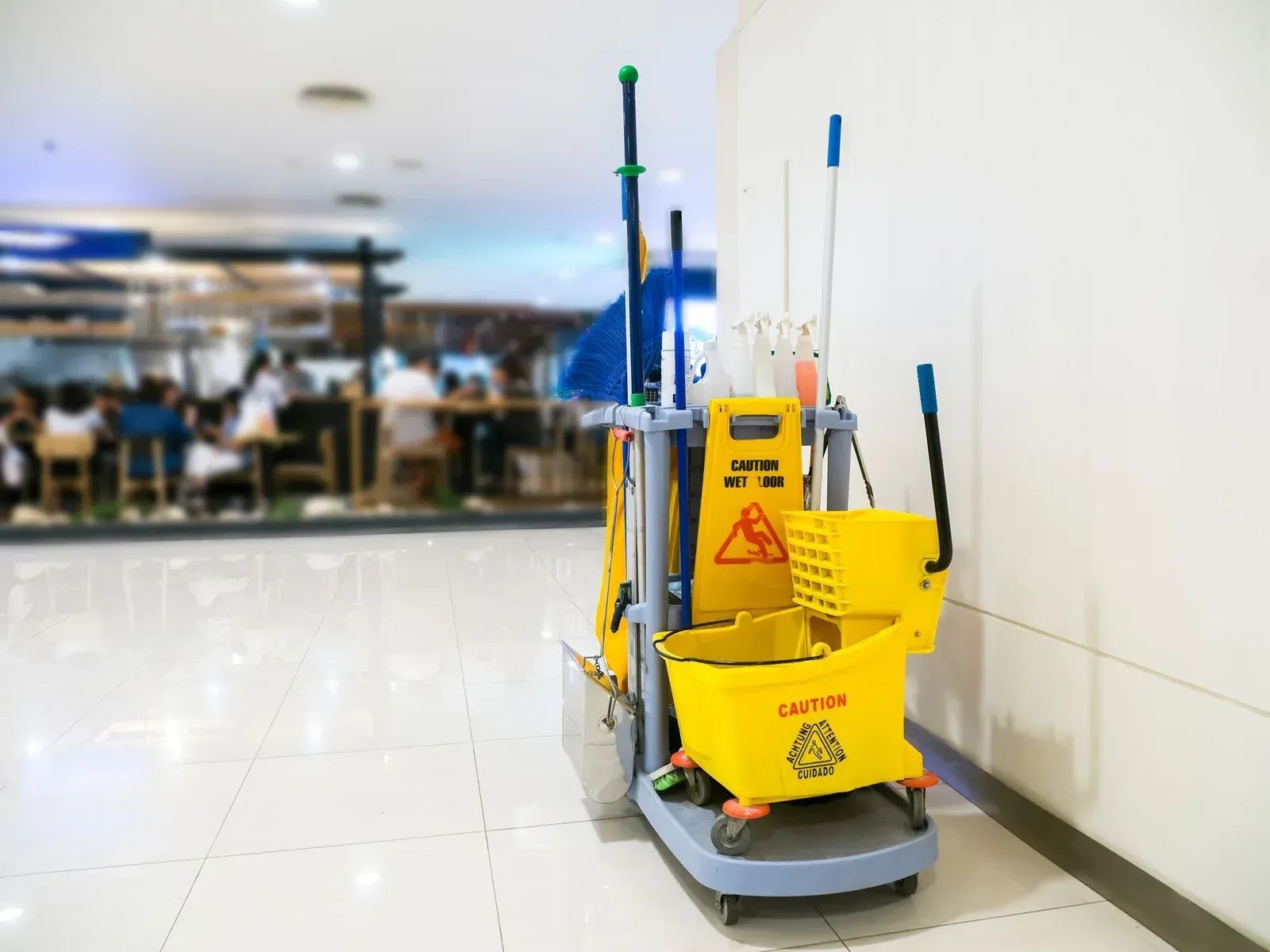
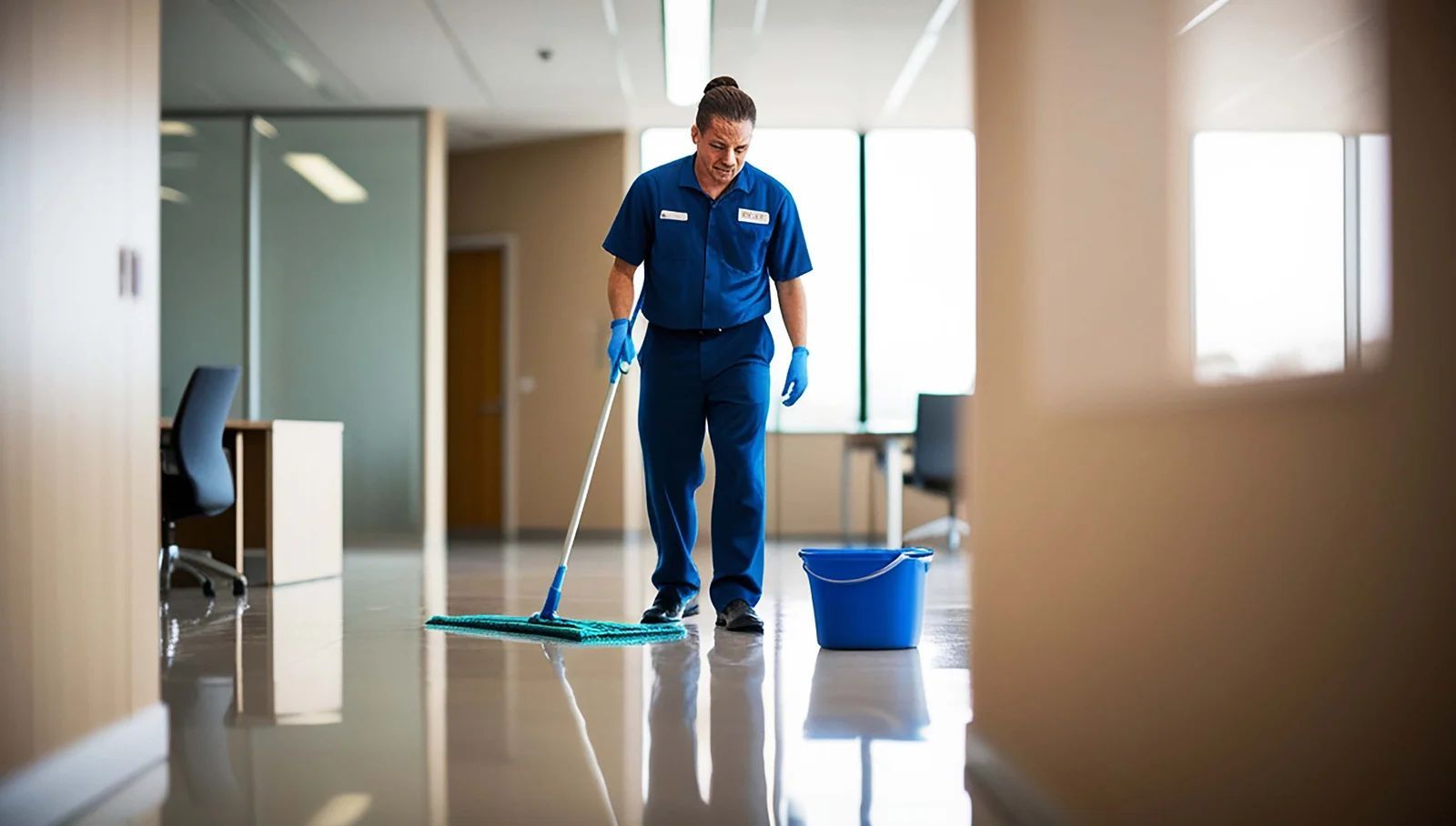
Floors are subject to heavy foot traffic, spills, and stains, which can compromise safety and appearance. Nightly janitorial services include vacuuming, sweeping, mopping, and, where appropriate, polishing. Carpets may receive deep cleaning treatments using steam extraction methods to remove dirt, allergens, and bacteria embedded in fibers. Hard surfaces, including tile and hardwood, are treated with industry-approved cleaning agents and buffers to preserve durability and enhance shine. Proper floor care is essential not only for aesthetics but also for compliance with workplace safety regulations.
Restroom Sanitation and Hygiene Management
- Deep Cleaning Protocols:- Restrooms are high-risk areas for bacteria and odor accumulation, making them a priority during nightly cleaning operations. Professional janitorial teams follow detailed checklists to ensure thorough cleaning of sinks, toilets, urinals, partitions, mirrors, and dispensers. Disinfectants with proven effectiveness against common pathogens are applied to all surfaces, including floors and walls, to maintain a safe and sanitary environment.
- Stocking and Replenishment:- Nightly janitorial services also involve monitoring and replenishing restroom supplies such as toilet paper, soap, hand towels, and sanitizers. Proper inventory management prevents shortages and ensures that facilities are ready for daily use. Many janitorial providers maintain logs to track consumption patterns and adjust stocking levels accordingly.
- Odor Control and Ventilation:- Maintaining a fresh restroom environment requires attention to odor control and ventilation. Janitorial teams use neutralizing agents, deodorizers, and proper cleaning of vents to prevent unpleasant smells. Advanced systems, such as automated air fresheners and UV light sanitizers, are sometimes integrated into nightly routines for enhanced hygiene. Effective restroom maintenance not only improves employee satisfaction but also reflects positively on the organization’s image.
Specialized Cleaning for High-Traffic and Common Areas
Lobby and Reception Areas
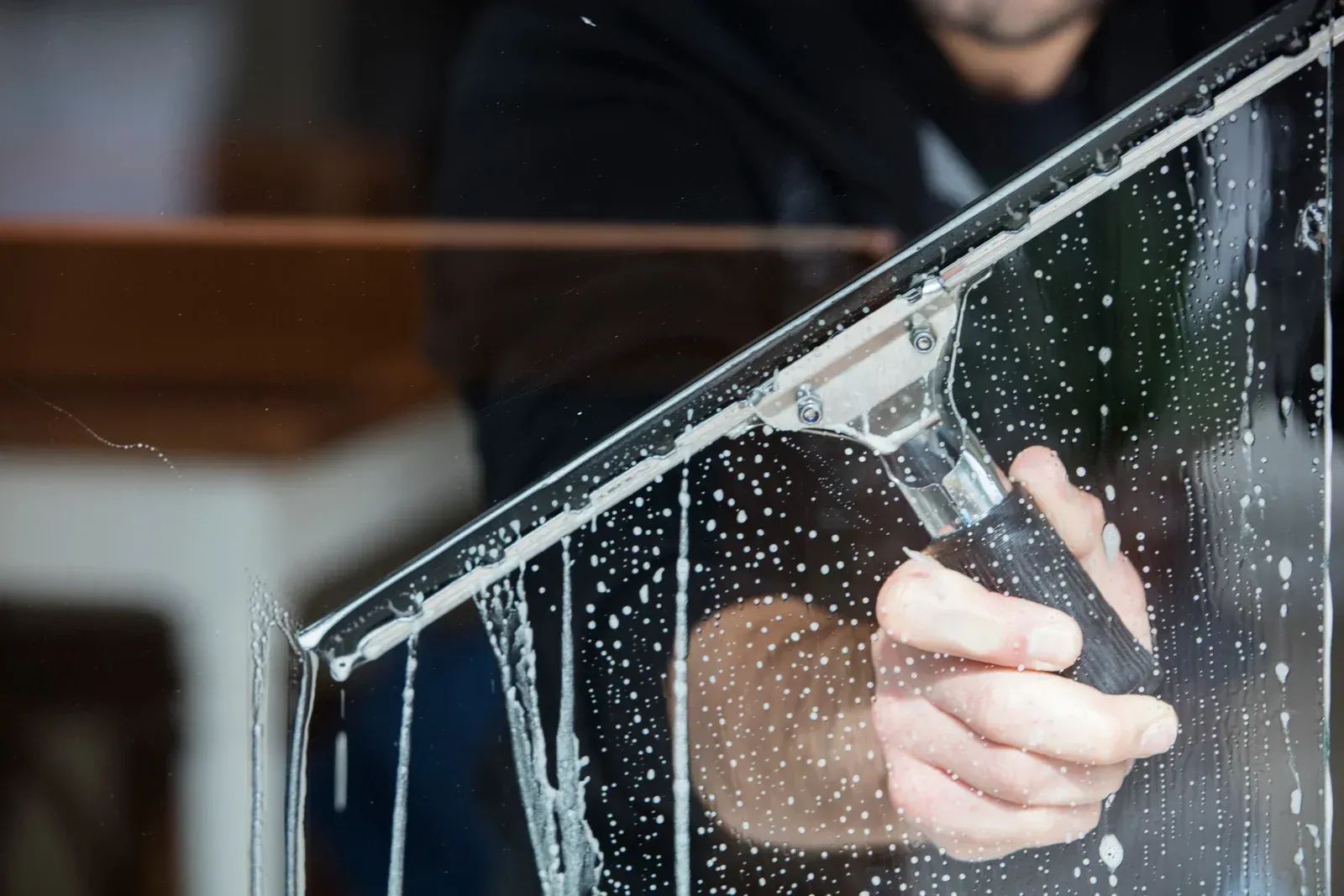
The first impression of a business often begins in its lobby or reception area. Nightly janitorial services include thorough cleaning of these spaces, covering floors, furniture, glass partitions, and decorative elements. Dust, fingerprints, and smudges are removed to maintain a welcoming and professional appearance. Janitorial teams may also perform glass polishing to keep windows and doors sparkling and streak-free.
Break Rooms and Kitchens
Shared kitchen and break areas require meticulous cleaning due to frequent use and potential for spills. Nightly protocols involve wiping countertops, disinfecting sinks and appliances, emptying trash bins, and sanitizing tables and chairs. In larger facilities, professional cleaners may also check refrigeration units for expired items and ensure that cleaning supplies and utensils are stored correctly. Such practices prevent the spread of bacteria and maintain a hygienic environment for employees.
Hallways and Staircases
High-traffic areas such as hallways, staircases, and corridors are prone to dirt, scuffs, and debris. Nightly janitorial routines focus on vacuuming, sweeping, and mopping these areas, ensuring safety and cleanliness. Anti-slip treatments or floor polishing may also be applied periodically to reduce accidents and enhance visual appeal. Attention to these details demonstrates a commitment to facility upkeep and occupant well-being.
Trash, Recycling, and Waste Management
- Efficient Waste Removal:-Managing waste effectively is a core component of nightly janitorial services. Trash bins and recycling containers throughout the facility are emptied, cleaned, and replaced with liners. This prevents overflow, eliminates odors, and supports sustainability initiatives by separating recyclables from general waste.
- Hazardous Material Handling:-Certain facilities, such as laboratories, medical offices, or industrial workplaces, may generate hazardous or biohazardous waste. Trained janitorial personnel follow strict safety protocols and use specialized containers to handle and dispose of such materials responsibly. Adherence to OSHA and EPA guidelines ensures compliance and minimizes health risks for employees and cleaning staff alike.

- Sustainability Practices:-Many professional janitorial services incorporate environmentally responsible practices into nightly routines. These include using eco-friendly cleaning solutions, recycling programs, and energy-efficient equipment. Sustainable cleaning not only reduces environmental impact but also aligns with corporate social responsibility goals and enhances the company’s public image.
Inspection, Quality Assurance, and Documentation
Post-Cleaning Inspections
After completing nightly tasks, janitorial supervisors often perform inspections to ensure that all areas meet the facility’s cleanliness standards. This step involves checking restrooms, offices, floors, and common areas for missed spots, streaks, or debris. Spot corrections are made immediately to maintain quality.
Documentation and Reporting
Professional janitorial companies maintain detailed records of completed tasks, cleaning schedules, and any issues encountered during nightly operations. This documentation allows facility managers to track performance, verify compliance with service agreements, and address any concerns proactively. It also provides transparency and accountability, reinforcing trust between service providers and clients.
Continuous Improvement and Staff Training
Professional janitorial providers emphasize ongoing training and development for their staff. Nightly operations often include briefings on new cleaning technologies, updated protocols, and safety measures. Continuous learning ensures that the team remains proficient, efficient, and capable of adapting to the unique needs of each facility.
Health and Safety Enhancement
Regular nightly cleaning reduces the spread of germs, allergens, and pathogens, contributing to a healthier workplace and minimizing absenteeism due to illness, while creating a safer environment for employees and visitors.
Increased Longevity of Facilities
Consistent care of floors, surfaces, and equipment prevents premature wear, extends the life of furnishings, and reduces long-term maintenance costs, ultimately saving organizations significant repair and replacement expenses over time.
Improved Employee Productivity
A clean, organized environment supports concentration, comfort, and morale, enabling employees to perform at their best while fostering a positive, professional workplace atmosphere that encourages efficiency and focus.
Positive Business Image
Clients, visitors, and stakeholders notice clean and well-maintained spaces, enhancing the organization’s reputation and perceived professionalism, while reflecting the company’s commitment to quality and operational excellence.
Compliance and Risk Management
Professional janitorial services help businesses meet health and safety standards, reducing liability risks related to workplace hygiene and accidents, while ensuring compliance with industry regulations and organizational policies.
Operational Efficiency
Outsourcing nightly cleaning allows staff to focus on core business activities while ensuring facilities remain in optimal condition, increasing overall productivity and streamlining daily operations effectively.
Expert Team Providing Consistent, Quality Facility Cleaning
Professional nightly janitorial services are far more than simple cleaning routines. They involve a meticulously planned combination of surface sanitization, floor care, restroom hygiene, high-traffic area maintenance, waste management, and quality assurance. Through careful attention to detail, specialized cleaning techniques, and adherence to industry standards, these services maintain hygienic, safe, and visually appealing work environments. By addressing both routine and specialized needs, nightly janitorial operations provide tangible benefits, from promoting employee health to enhancing overall business reputation.
For businesses seeking dependable cleaning solutions, partnering with an experienced provider ensures consistent results and peace of mind. Platinum Cleaning Services LLC, based in Burien, Washington, has been delivering exceptional janitorial services for over 25 years. With a strong focus on professionalism, advanced cleaning methods, and client satisfaction, Platinum Cleaning Services LLC has become a trusted authority in nightly janitorial care. Their team of trained professionals combines industry expertise with customized approaches to meet the unique needs of each facility. By choosing a reliable partner like Platinum Cleaning Services LLC, organizations can maintain pristine workspaces, support employee well-being, and uphold a polished business image. When it comes to nightly janitorial services, experience, precision, and dedication make all the difference—and Platinum Cleaning Services LLC exemplifies these qualities.