How commercial cleaning improves productivity and client impressions
Maintaining a clean and organized workspace is no longer just about hygiene; it has become a critical factor in enhancing overall business performance. Commercial cleaning goes beyond surface-level tidiness—it directly impacts employee productivity, workplace safety, and the perception clients have of a company. In today’s competitive environment, businesses are increasingly recognizing that a spotless office is more than an aesthetic choice; it is a strategic investment. A well-maintained environment fosters focus, reduces distractions, and minimizes health risks, which collectively contribute to smoother operations and improved efficiency.
Equally significant is the impression a clean office creates for visitors, partners, and potential clients. First impressions matter, and a professional, hygienic workspace communicates reliability, attention to detail, and organizational excellence. In contrast, cluttered, dirty, or poorly maintained offices can deter clients, erode trust, and undermine a company’s reputation. Understanding the connection between commercial cleaning, productivity, and client perception is essential for businesses striving to maintain a competitive edge. This article explores the multifaceted benefits of professional commercial cleaning, providing actionable insights for improving workplace performance and enhancing professional impressions.
1. Enhanced Employee Productivity
The Psychological Impact of Clean Workspaces
A cluttered or dirty office can subtly affect employees’ mental well-being, causing stress, distraction, and fatigue, which ultimately reduces overall efficiency and focus. When workspaces are organized, sanitized, and well-maintained, employees experience increased focus and reduced cognitive load, allowing them to complete tasks more effectively and with fewer errors. Clean environments also reduce the mental effort required to locate necessary tools or documents, which directly translates into more efficient workflow, higher accuracy, and improved productivity across the organization.
Reducing Sick Days Through Hygiene
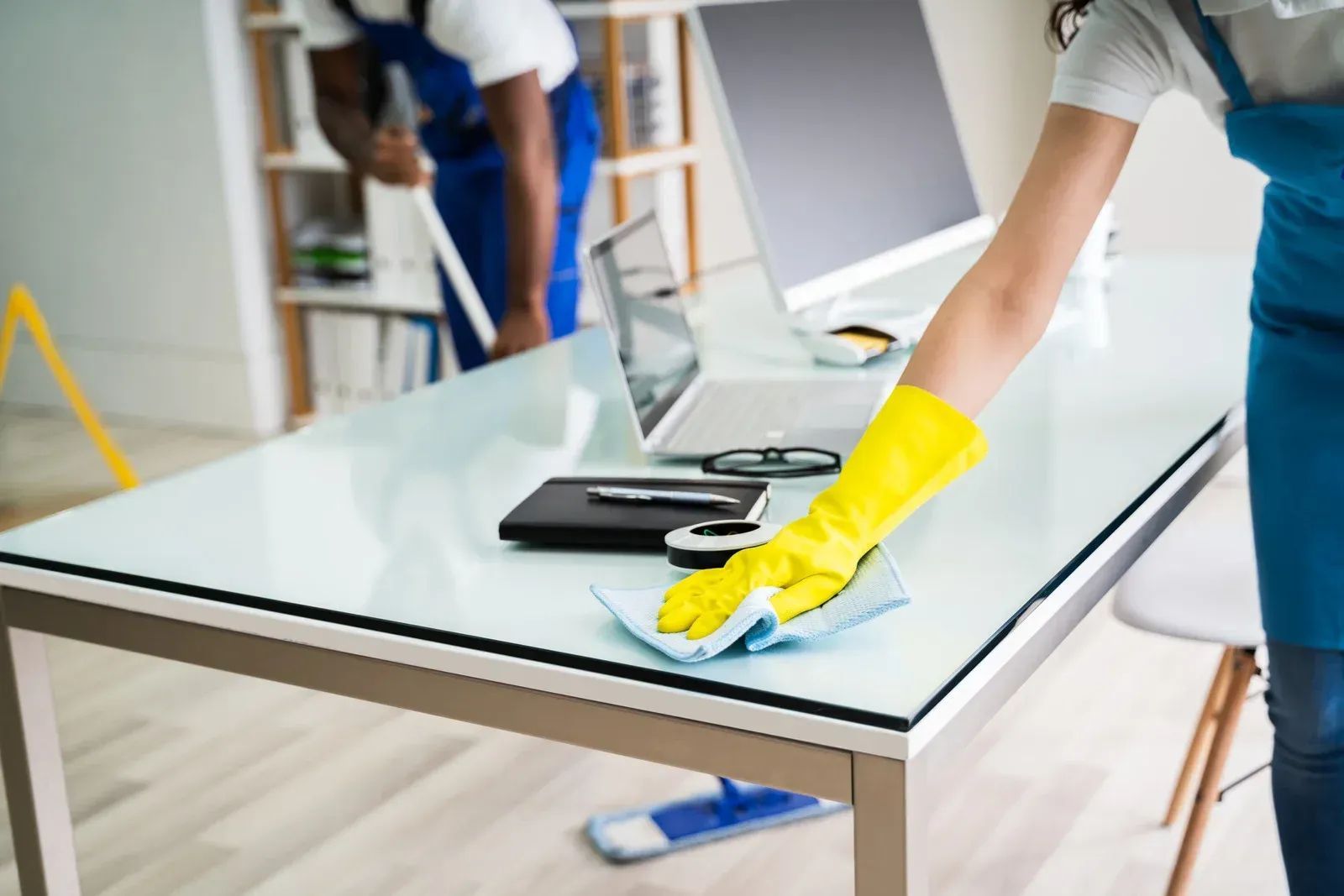
A core component of commercial cleaning is thorough sanitation of surfaces, restrooms, and communal areas, ensuring that harmful germs and bacteria are eliminated regularly. High-touch surfaces such as keyboards, phones, and door handles are prime vectors for germs, which can lead to increased employee absenteeism due to illness and disruptions in project timelines. Regular, professional cleaning reduces the spread of viruses and bacteria, leading to a healthier workforce, fewer sick days, and more consistent performance across all departments.
Real-World Example
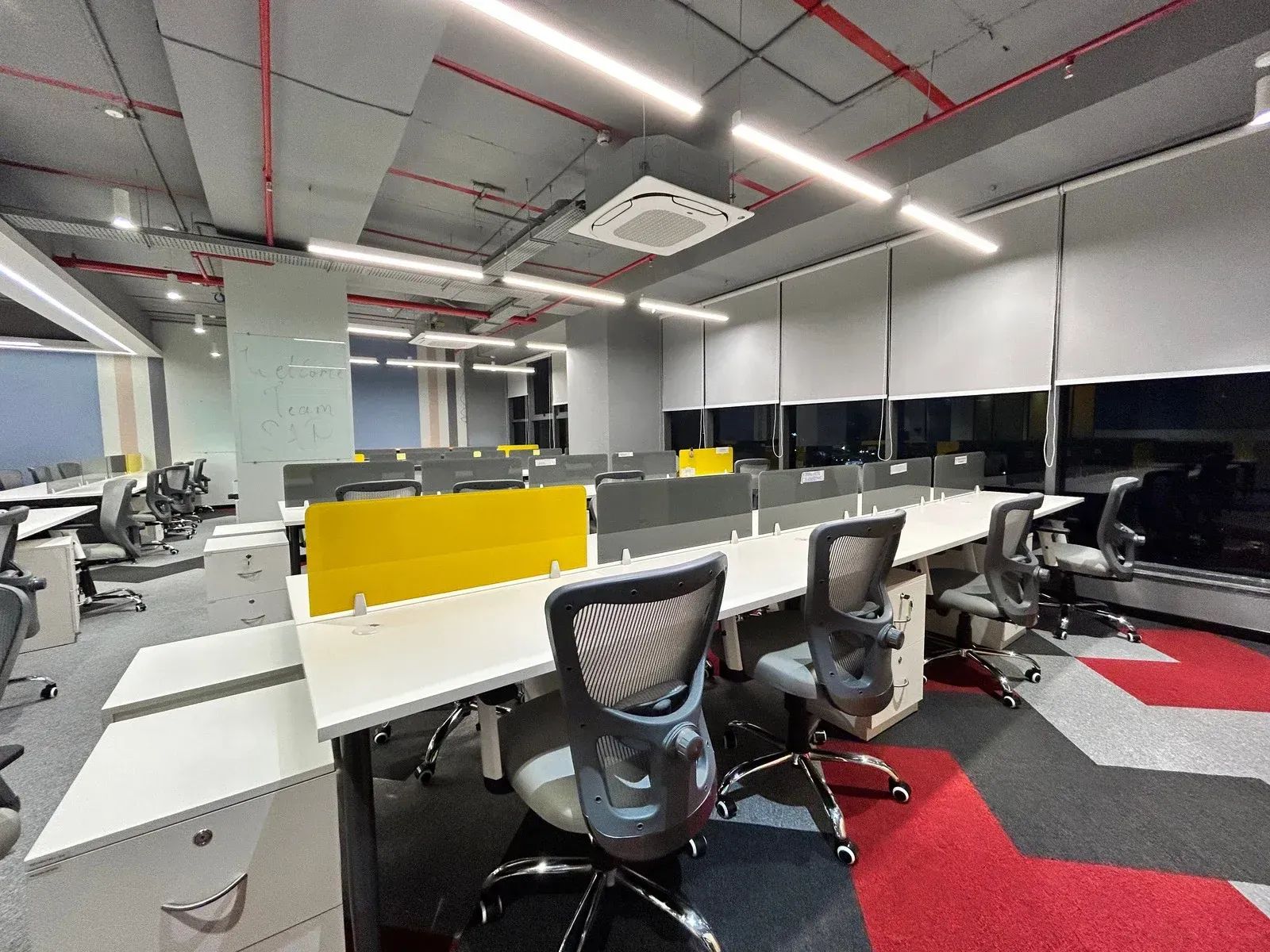
Consider an office with open workstations where employees share equipment and resources daily. Implementing a routine cleaning schedule that disinfects desks, shared devices, and common areas can reduce sickness-related absenteeism by up to 30%, according to several workplace hygiene studies, creating a more reliable workflow. This not only keeps projects on track but also helps maintain team morale, encourages engagement, and boosts overall organizational productivity significantly.
2. Improving Client Impressions
- First Impressions Matter:- The condition of a business’s environment often shapes a client’s perception before any interaction occurs, leaving lasting impressions that affect decisions. A sparkling lobby, polished conference rooms, and well-kept workspaces convey professionalism, attention to detail, and reliability, which clients subconsciously associate with competence. These cues contribute to clients’ confidence in the company’s ability to deliver high-quality services or products consistently and reliably, enhancing trust and business credibility.
- Influence on Business Relationships:- Clients visiting a clean office are more likely to view the company as organized and trustworthy, increasing the likelihood of successful business engagements. For industries such as law, finance, healthcare, or consulting, where client confidence is paramount, cleanliness can directly influence contract approvals, partnership agreements, and repeat business opportunities. Conversely, a disorganized or unkempt office can subconsciously signal inefficiency and lack of attention, reducing client trust and potentially impacting long-term revenue growth.
- Case Study Scenario:- A mid-sized accounting firm upgraded their commercial cleaning services to include daily disinfection of client-facing areas and periodic deep cleaning to maintain a professional atmosphere. Within months, client feedback highlighted the welcoming environment, contributing to stronger client relationships, increased referrals, and improved satisfaction. This demonstrates that consistent professional cleaning can be a subtle but powerful business growth tool that directly supports client retention and positive brand perception.
3. Promoting Workplace Safety
Reducing Accidents and Hazards
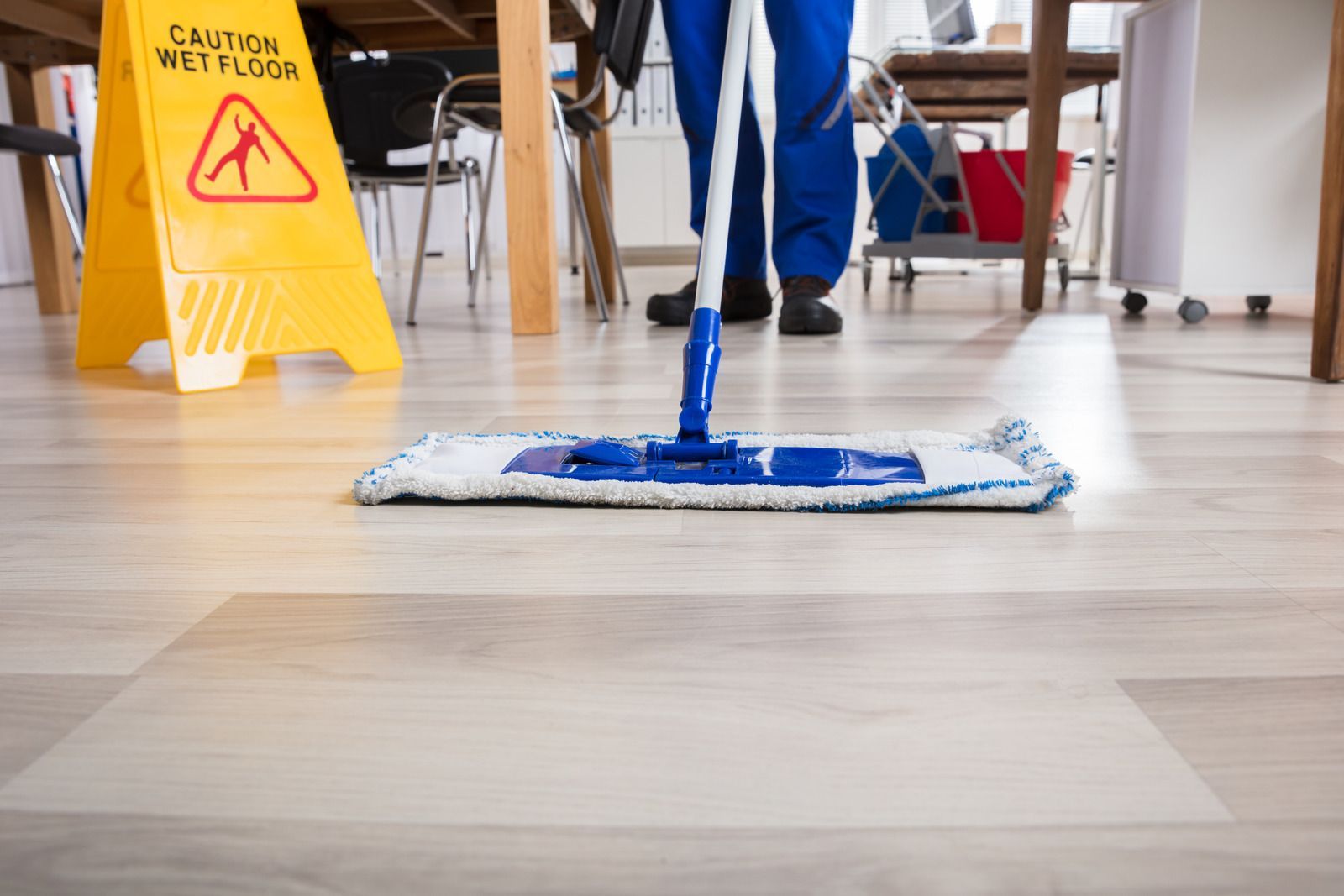
A clean office is a safer office, minimizing risks that can lead to injuries and legal liabilities over time. Regular cleaning addresses potential hazards such as wet floors, loose cables, or cluttered hallways that can cause slips, trips, and falls, ensuring employees work in a secure environment. This preventive approach reduces workplace accidents, protects staff from injury, and ensures compliance with occupational health standards, maintaining both safety and operational continuity.
Maintaining Equipment and Infrastructure
Professional cleaning includes proper care for office equipment, furniture, and flooring, extending the lifespan of valuable assets while maintaining functionality. Dust accumulation can damage electronic equipment and reduce its performance, while untreated spills or stains can degrade flooring materials over time. By preserving assets through routine cleaning, businesses save on repair and replacement costs, maintain a safe functional workspace, and uphold an organized and professional appearance consistently.
Practical Example
In a manufacturing or warehouse setting, commercial cleaning crews focus on removing debris, lubricating machinery, and ensuring aisles are free from obstruction to prevent workplace accidents. This proactive maintenance prevents accidents and downtime, ensuring smooth operations. It illustrates how cleanliness directly contributes to operational efficiency, worker safety, and a culture of consistent workplace reliability over the long term.
4. Boosting Employee Morale and Engagement
- Creating a Positive Work Environment:-A clean and organized workspace contributes significantly to employee satisfaction, motivation, and engagement during work hours. When employees see that their employer invests in maintaining a pleasant and hygienic environment, it fosters a sense of value, respect, and belonging. This emotional uplift can improve engagement, collaboration, retention rates, and overall workplace harmony, creating an environment where employees feel motivated to contribute their best efforts consistently.
- Encouraging Professional Habits:-A well-kept office encourages employees to adopt professional habits, such as keeping personal spaces tidy, properly managing waste, and participating actively in workplace hygiene initiatives. These habits collectively reinforce a culture of responsibility, discipline, and efficiency across all teams, promoting collaboration and overall organizational effectiveness. Employees become more conscious of maintaining order and supporting the company’s commitment to excellence.
5. Supporting Brand Image and Marketing Efforts
Physical Space as a Marketing Tool
An office or commercial space often serves as an extension of a company’s brand identity, reflecting its values and standards. Clean, well-maintained environments reflect positively on marketing messages, signaling consistency, reliability, and professionalism to visitors and potential clients. Visitors, prospects, and partners are likely to associate the physical environment with the quality of products or services offered, strengthening overall brand perception and credibility in the market.
Consistency Across Locations
For businesses with multiple locations, standardized commercial cleaning practices ensure consistent client experiences, reinforcing brand recognition and uniform quality. This consistency strengthens client trust, encourages repeat business, and supports broader marketing and brand positioning strategies by showcasing the organization’s dedication to high standards everywhere.
Industry Example
Retail chains often emphasize store cleanliness as a key part of their brand promise, ensuring that all locations maintain consistent presentation. Regular, professional cleaning ensures displays, fitting rooms, and public spaces remain spotless, enhancing customer satisfaction, confidence, and perceived brand value. Similarly, corporate offices can leverage cleanliness to reinforce their reputation for professionalism, quality, and reliability in every client interaction.
6. Best Practices for Maximizing Cleaning Benefits
- Scheduled Cleaning Plans:-Routine cleaning schedules, whether daily, nightly, or weekly, ensure consistent and reliable results across all areas of the workplace. Businesses should work with professional cleaning services to develop customized plans tailored to the specific needs of each space, including high-traffic areas, sensitive zones, and client-facing rooms. Consistent scheduling helps maintain hygiene, reduces operational interruptions, and provides a structured approach to maintaining workplace standards efficiently.
- Utilizing Eco-Friendly Products:-Sustainable cleaning products not only reduce environmental impact but also contribute to healthier indoor air quality for employees and visitors alike. This approach minimizes chemical exposure, aligns with corporate sustainability initiatives, and supports employee well-being programs, enhancing overall satisfaction and reinforcing a company’s environmental responsibility.
- Training and Quality Control:- Commercial cleaning companies employ trained professionals who understand industry standards, hygiene protocols, and safety regulations to deliver optimal results. Regular audits and quality checks ensure that cleaning outcomes consistently meet or exceed expectations, maximizing benefits to productivity, client perception, and workplace morale. Proper training guarantees efficiency and safety across all cleaning operations.
- Leveraging Technology:- Modern cleaning solutions, such as automated floor scrubbers, electrostatic disinfecting sprayers, and air quality monitors, enhance efficiency, coverage, and overall results. Implementing technology-driven cleaning practices improves operational outcomes, reduces human error, and demonstrates a commitment to innovation, high standards, and sustainable cleaning solutions in every workspace.
Trusted Specialists Maintaining Spotless, Efficient Work Environments
Platinum Cleaning Services LLC, based in Burien, Washington, has been delivering
expert commercial cleaning solutions
for over 25
years. With a steadfast commitment to professionalism, reliability, and excellence, Platinum Cleaning Services has become a trusted partner for businesses seeking to improve workplace productivity and create lasting client impressions. Their team of skilled professionals utilizes industry-leading practices, eco-friendly products, and advanced equipment to provide comprehensive cleaning services tailored to each client’s needs. From daily office maintenance to specialized disinfection and deep-cleaning projects, Platinum Cleaning Services ensures every workspace is hygienic, organized, and welcoming. Businesses partnering with Platinum Cleaning Services benefit from healthier work environments, higher employee satisfaction, and enhanced client trust, all contributing to improved operational performance and brand reputation. With decades of experience, Platinum Cleaning Services LLC
exemplifies the value of professional cleaning as a vital component of business success, making them a reliable authority in the commercial cleaning industry.