How Often Should an Office Really Be Deep-Cleaned vs Just Wiped Down?
Quick Answer: A nightly wipe-down handles trash, surface wiping, vacuuming, and restrooms to keep an office looking presentable day to day, but it does not reach embedded carpet soil, vents, grout, baseboards, or the spots behind furniture. Most offices need those routine tasks daily or weekly, an interim carpet and detail cleaning every one to three months in busy areas, and a full deep clean with hot-water extraction roughly two times a year, moving toward quarterly or monthly for high-traffic and heavily used spaces. Foot traffic, carpet coverage, and a damp climate all push the schedule toward the higher end.
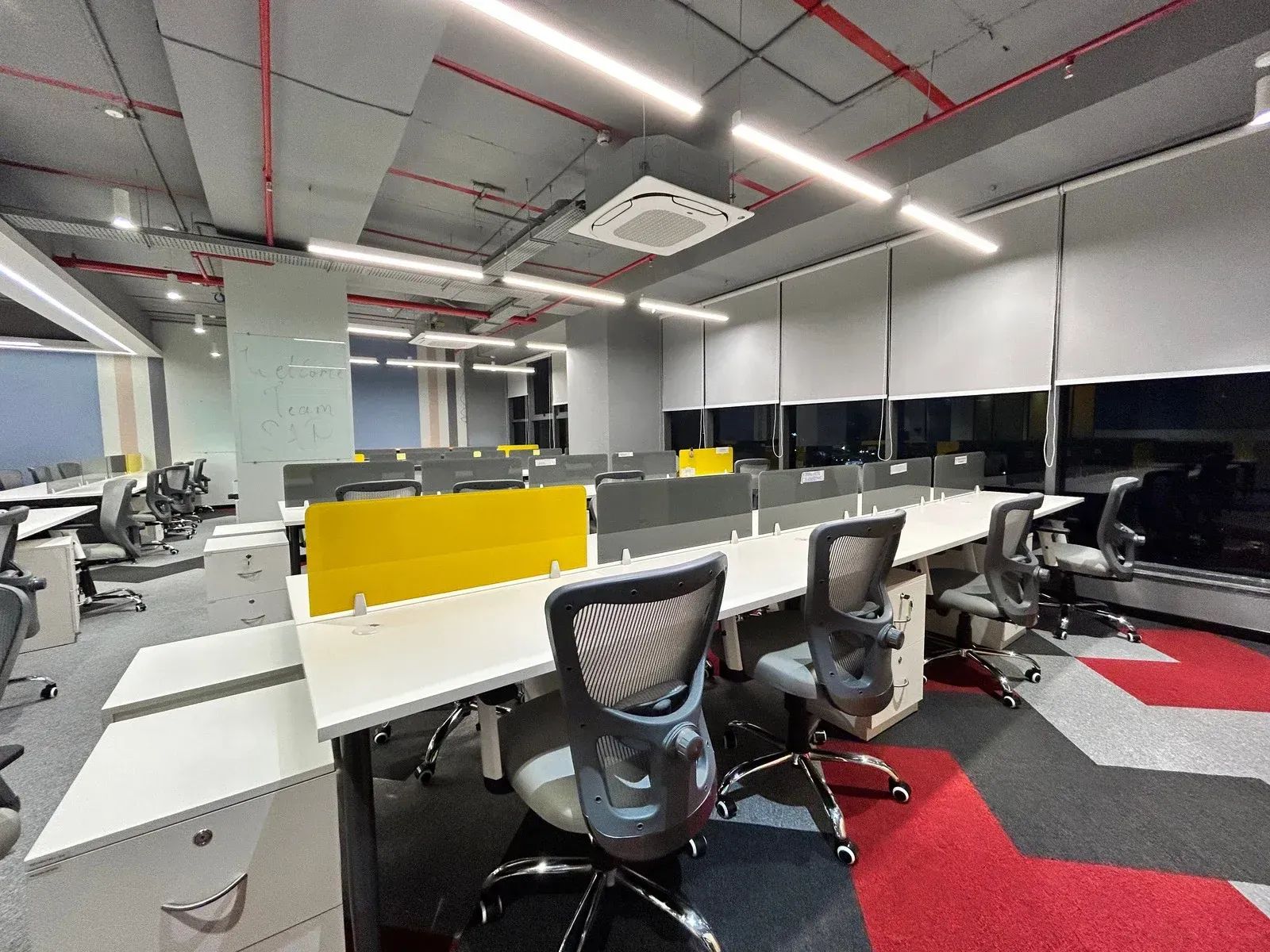
You walk your office first thing in the morning and, on the surface, it looks fine. The trash is empty, the desks are clear, the glass at the front is smudge-free. Then you look a little closer. The carpet in the main lane between the entrance and the copy room looks flat and grayed compared to the edges of the room. There is a soft line of dust along the top of a cubicle partition. The grout in the break room has darkened, and the supply-air vents have a gray fuzz on the fins. None of that showed up in last night's wipe-down, and it is the kind of thing a visitor notices even when they cannot say why the room feels tired.
That gap is the whole question behind
office cleaning frequency. Routine cleaning and deep cleaning are two different jobs, done on two different clocks, and confusing them is how a building slowly starts to look dull despite being cleaned every single night. Here is what each one actually covers, how often each layer needs to happen, and what pushes your particular office toward more frequent attention.
What a Nightly Wipe-Down Actually Covers
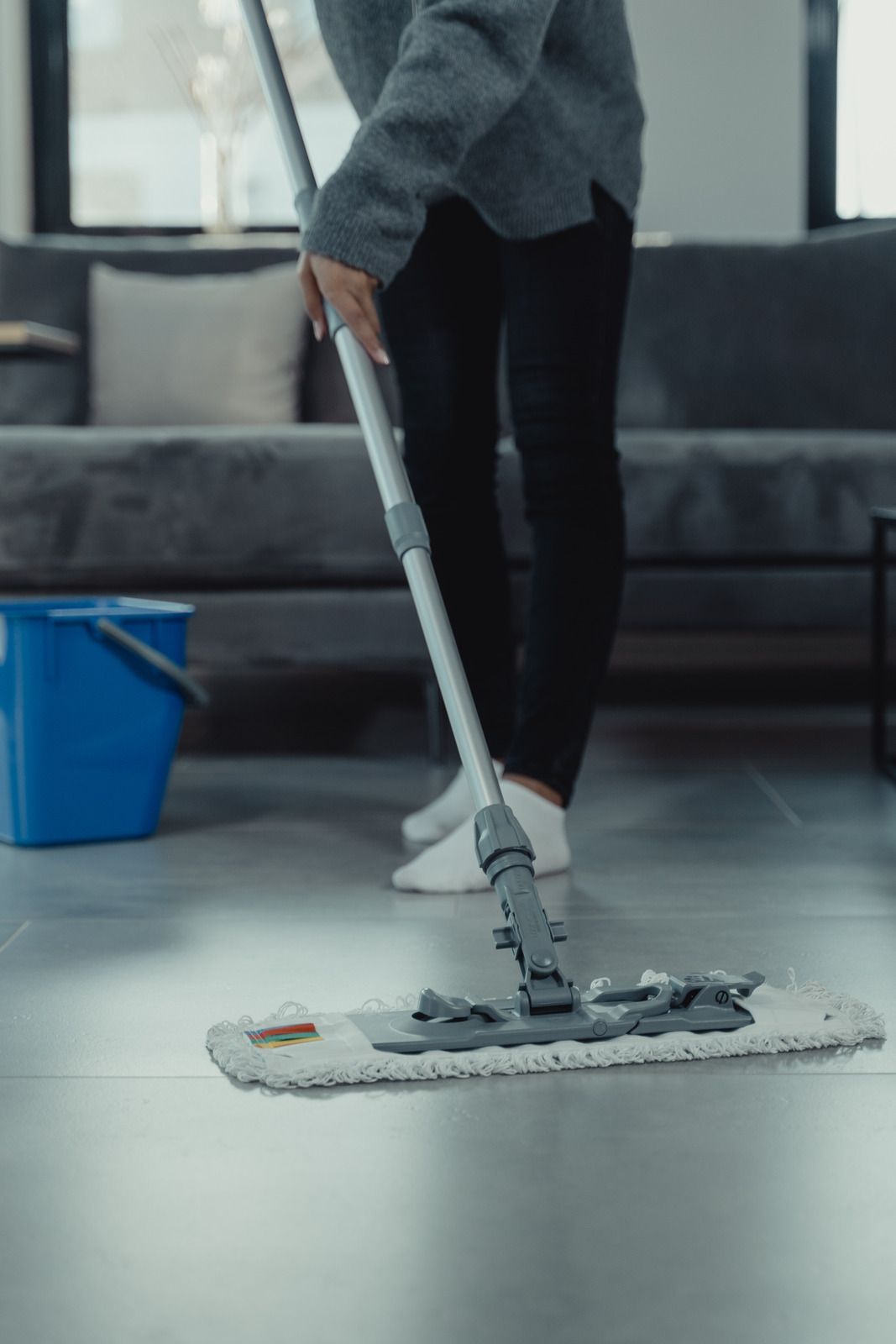
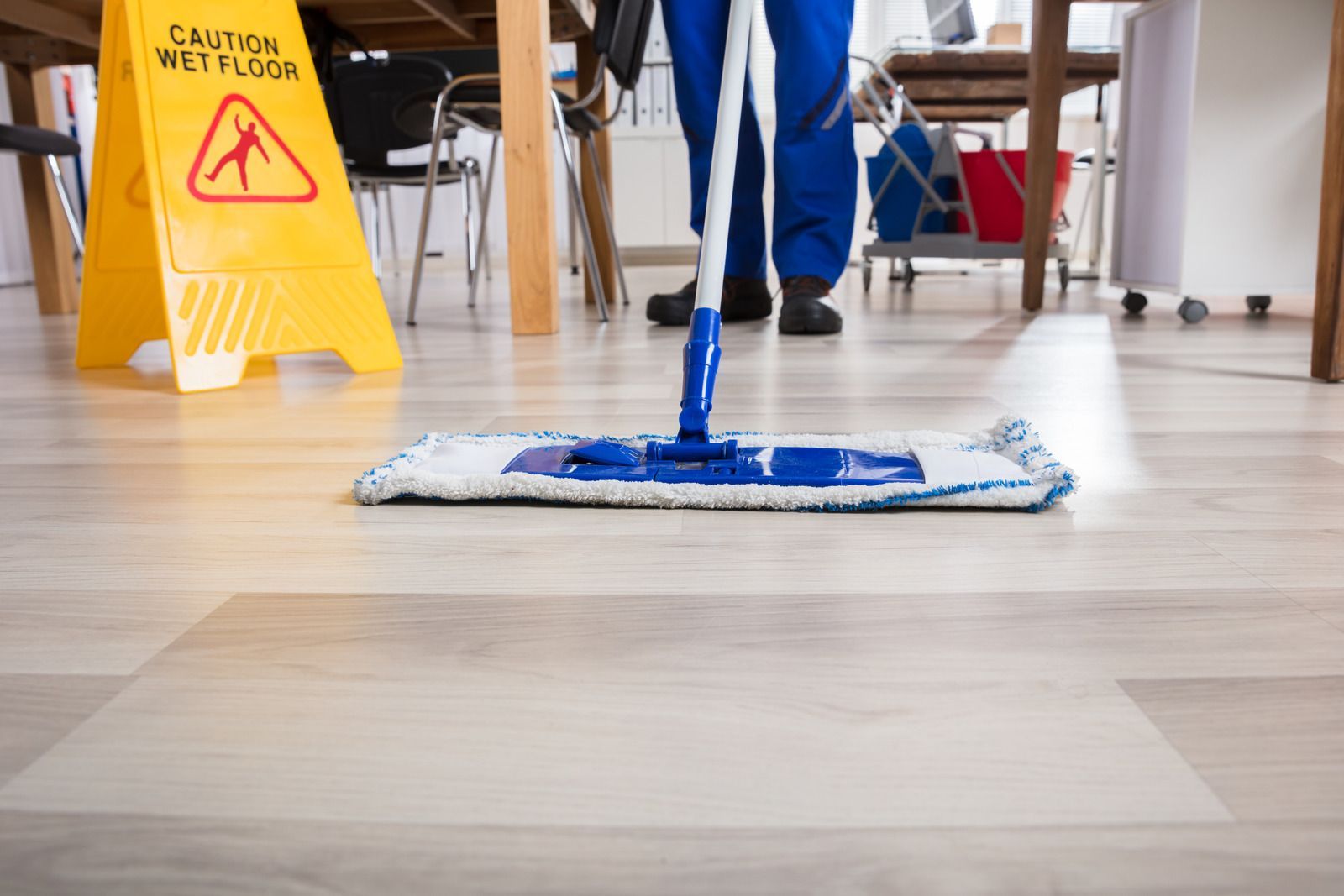
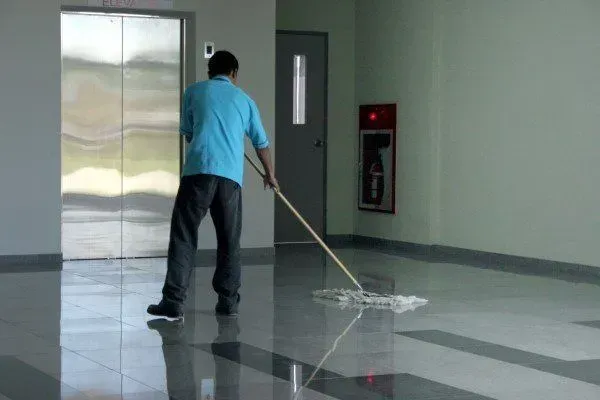
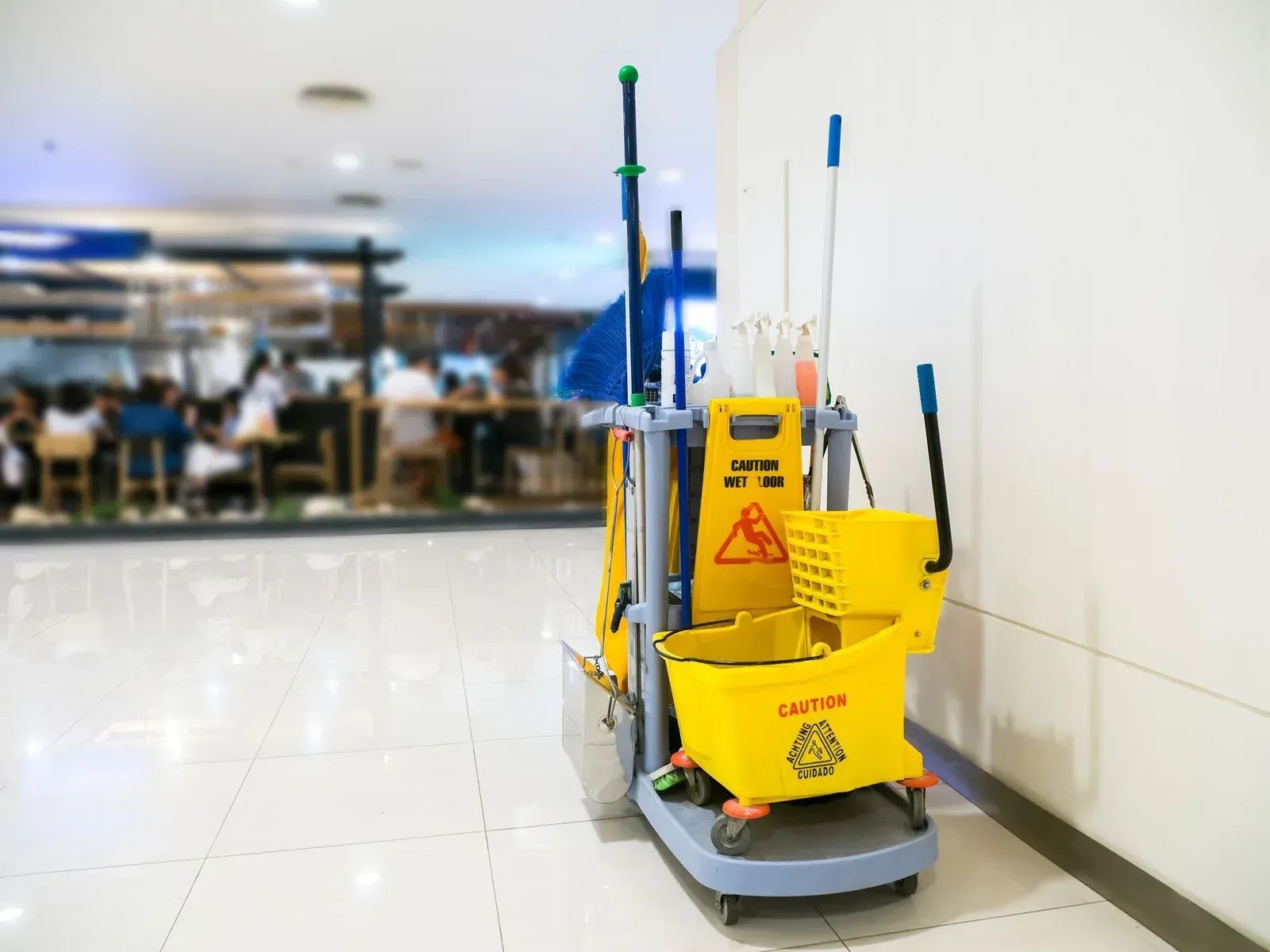
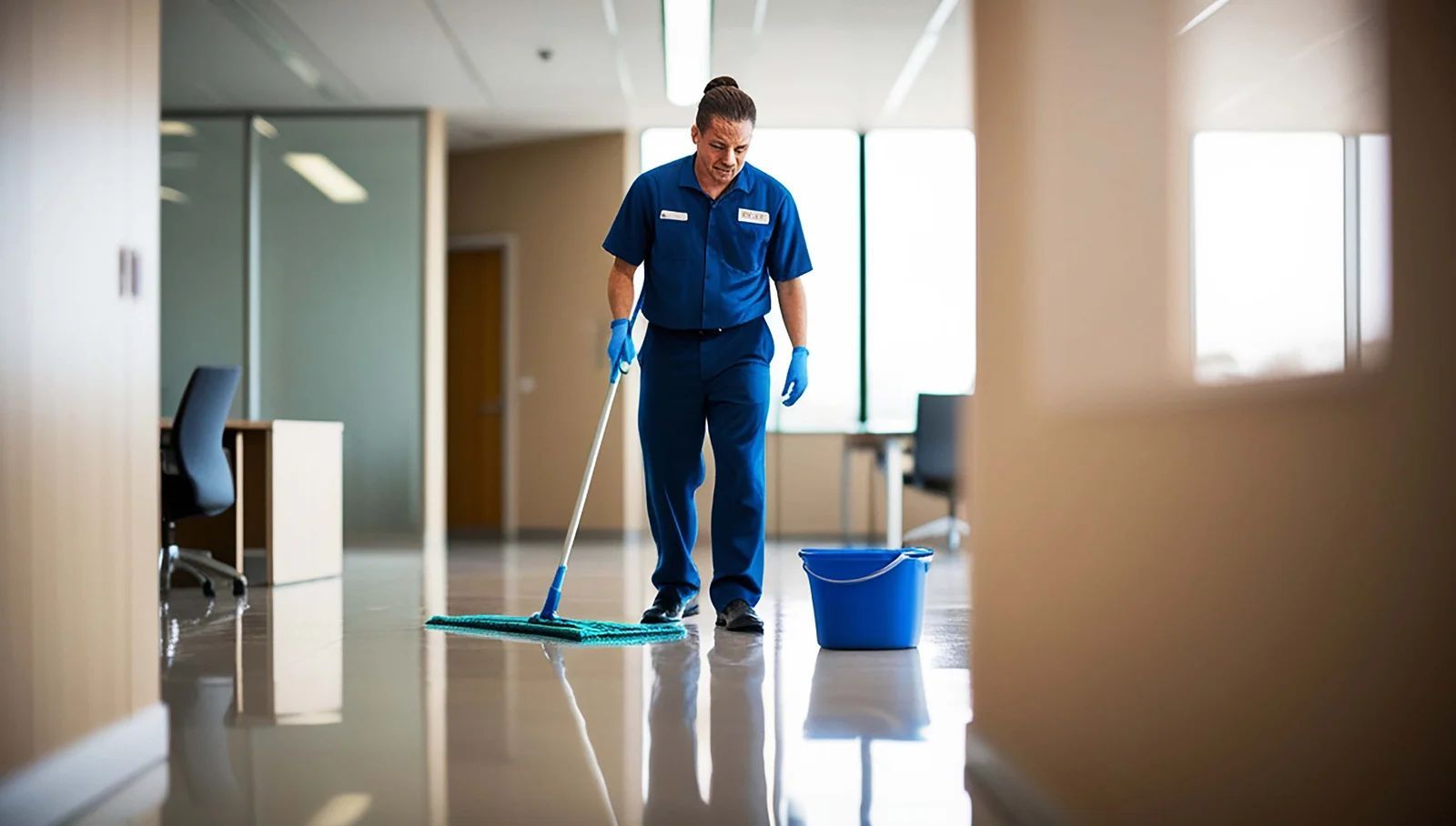
Routine cleaning is the frequent, lighter work that keeps a space looking neat between the heavier jobs. On a typical nightly or weekly rotation, that means emptying trash, wiping and sanitizing desktops and shared surfaces, vacuuming the open floor and traffic lanes, spot-cleaning glass and entry doors, and servicing the restrooms and break room. Done consistently, it keeps the office tidy, controls loose dust, and holds the appearance you want for staff and visitors from one day to the next.
The limits of surface work. The catch is right in the name. A wipe-down cleans what a cloth or a vacuum head can reach in a normal pass. It does not pull fine soil back out of carpet fibers once foot traffic has ground it in, it does not get behind or under heavy furniture, and it rarely touches vent fins, the tops of partitions, light fixtures, tile grout, or baseboards. Those areas do not look dirty after one skipped night. They accumulate slowly, which is exactly why they slip past routine cleaning until the buildup is visible all at once.
What a Deep Clean Reaches That Routine Cleaning Skips
Deep cleaning is the more intensive work that needs proper equipment, more time, and, often, a crew that plans for it rather than fitting it into a nightly window. It is the reset that pulls out what the daily rotation leaves behind.
Embedded carpet soil
Daily vacuuming with a quality machine removes a large share of dry soil, on the order of 80 percent according to commercial flooring guidance from Mannington Commercial, but it cannot lift the fine, oily grit that foot traffic presses down into the pile. That embedded soil is what grays out traffic lanes and makes carpet look dingy even the morning after it was vacuumed. Interim low-moisture cleaning and periodic hot-water extraction are what actually reach it.
Hard-to-reach dust
Supply and return vents, the tops of cabinets and partitions, ceiling corners, blinds, and the backs of monitors collect a dust layer that a nightly pass does not touch. Left alone, that dust resettles onto the surfaces you just wiped, which is part of why an office can feel dusty again so quickly.
Grout, baseboards, and detail work
Tile grout in restrooms and break rooms darkens as soil works into the porous lines. Baseboards, door frames, and corners collect scuff and grime at a pace slow enough to be invisible week to week. Deep cleaning is where these get scrubbed back rather than skimmed.
Behind and underneath
Moving furniture to clean the floor beneath it, detailing under desks, and getting into the corners a vacuum normally steers around all fall under deep cleaning. Manufacturer maintenance guidance describes this as the restorative end of a program, the periodic work that protects the appearance and lifespan of the flooring rather than just maintaining it.
How Often Each Layer Actually Needs Doing
The useful way to think about frequency is in layers, not a single number. Each layer runs on its own schedule, and a good program keeps all of them going at once.
Daily and nightly
Trash, restrooms, entry glass, break room surfaces, and vacuuming of the main traffic lanes belong on a daily or nightly cycle in most working offices. These are the areas that show wear fastest and that visitors see first.
Weekly
A fuller pass, vacuuming the whole floor rather than just the lanes, mopping all hard-surface floors, dusting accessible surfaces, and detailing common areas, suits most offices with moderate activity. Cleaning-industry guidance commonly frames weekly service as the baseline for a typical office, stepping up for higher traffic.
Interim carpet and detail cleaning
This is the middle layer many buildings skip, and it is the one that keeps carpet from ever getting to the dingy stage. Commercial flooring maintenance schedules put interim low-moisture cleaning at roughly quarterly for light-traffic areas, every two to three months for medium-use areas, and monthly for heavily trafficked carpet, per Mannington Commercial. It is a proactive, fast-drying step that extends the time between full extractions.
Full deep cleaning
The heaviest work, hot-water extraction of carpet plus detailed cleaning of vents, grout, and hard-to-reach areas, lands around twice a year for an average office and moves toward quarterly or monthly for high-traffic spaces, according to guidance from The Budd Group and others. For carpet specifically, industry sources such as Q4 Industries put hot-water extraction at every six to twelve months in medium-traffic areas and every three to six months in high-traffic areas.
TIP: Your entryway does more to control the deep-clean schedule than almost anything inside the building. A walk-off matting system of roughly ten to fifteen feet at each main door traps up to about 80 percent of the soil that would otherwise get tracked across the floor, according to Mannington Commercial. In the wet Puget Sound months, when shoes carry in grit and rainwater from parking lots, well-placed and regularly cleaned mats keep that soil from grinding into your carpet lanes and can meaningfully stretch the interval between interim cleanings.
Building a Schedule That Holds Up
The offices that stay consistently sharp are not the ones that clean hardest once a year. They are the ones running all the layers at once, a reliable daily and weekly routine underneath a planned interim and deep-clean cycle, tuned to how the building is actually used.
The practical starting point is a walk-through. Look at where the traffic lanes are graying, where dust is resettling fastest, which floors are carpet and which are hard surface, how much of the space clients see, and how the entries hold up once the rain sets in. That picture tells you which areas need the tighter interim cycle and which can ride a lighter one. From there, set a baseline routine, layer in interim cleaning by traffic level, schedule the full deep clean around twice a year or more for the busy zones, and revisit the plan by season. That way the building never gets to the point where the tired look shows up all at once.
Frequently Asked Questions
Is a nightly wipe-down enough to keep an office clean?
Nightly cleaning keeps offices presentable by removing trash, dust, and surface dirt, but it cannot remove embedded carpet soil, vent dust, grout buildup, or hidden debris. Periodic deep cleaning remains essential for maintaining long-term cleanliness and protecting interior surfaces effectively.
How often should an office carpet be deep cleaned?
Most offices benefit from hot-water extraction twice yearly, with interim low-moisture cleaning every one to three months in busy areas. High-traffic spaces often require extraction every three to six months, depending on foot traffic, carpet color, and overall building usage.
What is the difference between deep and routine cleaning?
Routine cleaning maintains daily appearance through vacuuming, trash removal, restroom care, and surface wiping. Deep cleaning targets embedded carpet soil, vents, grout, baseboards, light fixtures, and hidden areas beyond routine maintenance, preserving cleanliness, appearance, and indoor environmental quality.
Why does my office look dingy after cleaning?
Embedded carpet soil, lingering vent dust, and worn traffic lanes often remain after routine cleaning. Vacuuming removes loose debris, but deeply packed grit requires interim or extraction cleaning, while airborne dust gradually settles back onto surfaces throughout the office again.
Does the rainy season affect cleaning frequency?
Yes. Wet weather tracks rainwater, mud, and abrasive grit indoors, accelerating carpet wear and traffic-lane staining. Many facilities increase interim carpet cleaning and window maintenance during rainy months, then reduce cleaning frequency once drier seasonal conditions return naturally.
Can better entry matting reduce deep cleaning needs?
Quality entrance matting captures significant amounts of dirt and moisture before they reach interior flooring. Maintaining ten to fifteen feet of clean walk-off mats helps reduce carpet wear, extends cleaning intervals, preserves floor appearance, and lowers long-term maintenance costs overall.
Matching the Schedule to How the Building Is Used
The real answer to how often an office should be deep-cleaned versus wiped down is that it needs both, on separate clocks, matched to the building. Routine cleaning holds the daily appearance; interim cleaning keeps carpet and detail areas from ever reaching the dingy stage; and a full deep clean, roughly twice a year and more often in busy or client-facing spaces, resets what the lighter work cannot reach. Get the layers right and the tired look never shows up. Skip the middle layer and no amount of nightly wiping will keep the traffic lanes from graying out.
Request a walkthrough — Dull traffic lanes, dusty vents, and darkening grout are signs that routine and deep cleaning have fallen out of balance. Platinum Cleaning Services LLC
proudly serves Burien, Washington, bringing 25
years of commercial cleaning experience to businesses throughout the region. The team evaluates your facility, identifies the daily, weekly, interim, and restorative cleaning each area requires, and builds a customized maintenance plan suited to Puget Sound traffic and weather. Using eco-friendly cleaning methods and a strong commitment to customer satisfaction, they help keep your workplace consistently clean from top to bottom. Reach out today to schedule your walkthrough and create a cleaning plan that keeps your entire office looking its best.
Recent Posts